





How to Choose a Water Softener in India: A 2026 Buyer’s Guide

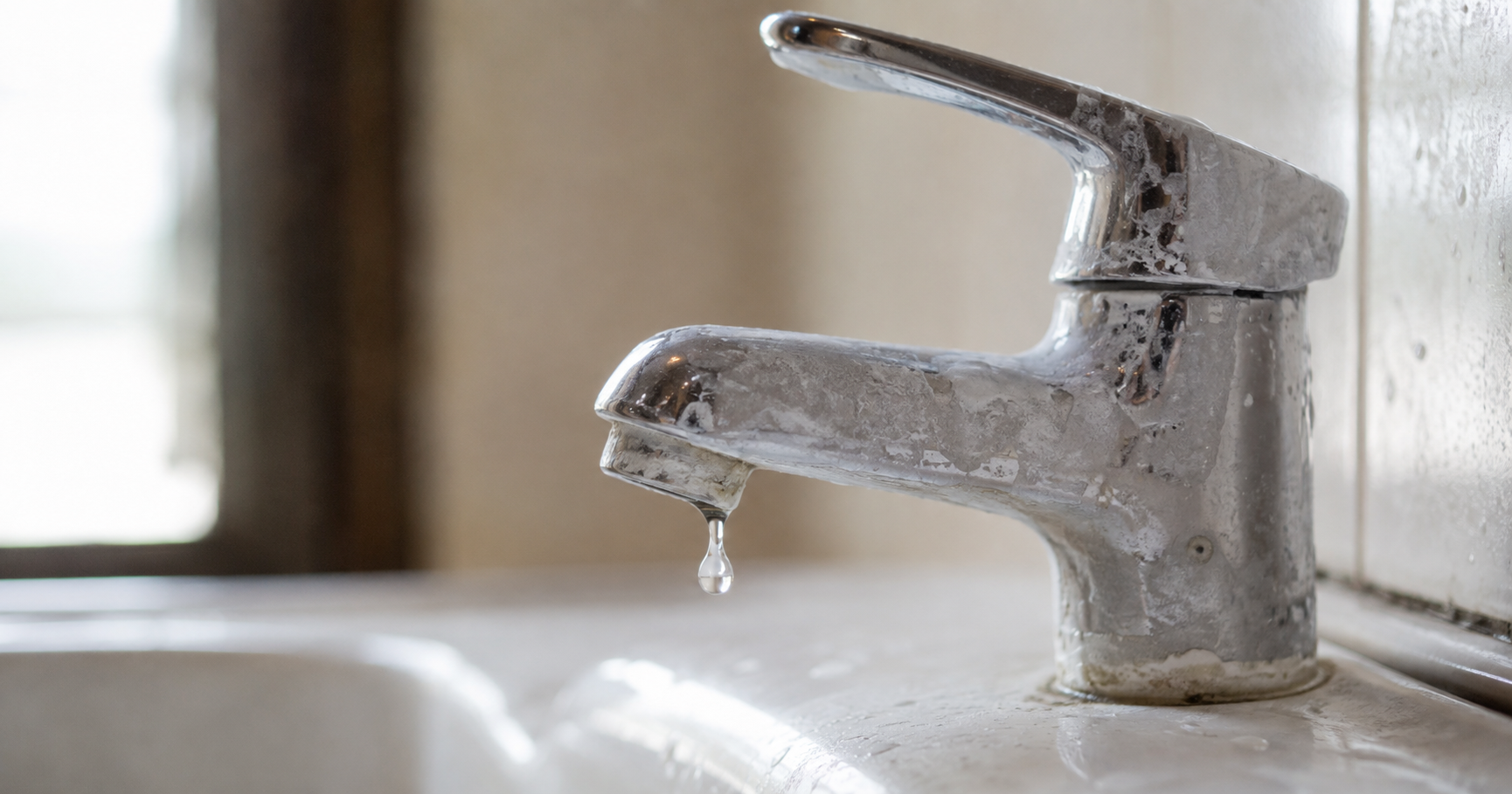
Hard water is one of the most common water problems in Indian homes, especially where the supply comes from borewells. If your taps have chalky white deposits, your geyser stops heating efficiently, or soap barely lathers, hard water is usually the reason. A water softener is the device designed to fix it. This guide explains what a softener does, how it works, how to size one, and how it differs from a water purifier — so you can decide what your home actually needs.
What a water softener does
Hard water contains dissolved minerals, mainly calcium and magnesium. These minerals are what cause limescale — the white, chalky buildup you see on taps, kettles, and inside geysers. They also reduce soap lather, leave spots on utensils and glass, and slowly damage appliances like washing machines and water heaters by coating their heating elements with scale.
A water softener removes calcium and magnesium, making the water “soft.” This protects your plumbing and appliances, improves soap and detergent performance, and stops scale from forming.
One important point: a softener treats hardness, not safety. It does not purify water for drinking or remove bacteria, chemicals, or dissolved solids that affect taste and health — that is the job of a water purifier such as an RO system. The two solve different problems, and many homes use both.
How a water softener works
Most water softeners use a process called ion exchange. Inside the softener is a tank filled with tiny resin beads that carry sodium ions. The process works in four stages:
- Hard water enters the tank and passes through the resin bed.
- Minerals swap places — calcium and magnesium in the water attach to the resin beads, and sodium is released into the water in their place. This exchange is what gives the process its name.
- Soft water flows out to your taps, free of the minerals that form scale.
- Regeneration — over time the resin fills up with calcium and magnesium and stops working. A salt solution (brine) is flushed through the tank, stripping the trapped minerals off the resin and washing them down the drain. This recharges the beads, and the cycle repeats.
This is why softeners need salt refills. The salt regenerates the resin — it is not what softens the water directly.
Types of water softeners
There are a few different approaches on the market, and they are not all the same:
- Salt-based ion-exchange softeners — the most common and most effective for genuinely hard water. They remove calcium and magnesium completely using the process above. They require salt refills and periodic regeneration.
- Salt-free conditioners — these do not remove minerals; they alter them so they are less likely to stick as scale. They need less maintenance but are less effective in areas with very hard water.
- Magnetic or electronic descalers — these clamp onto the pipe and claim to reduce scale using a field. They are cheap and easy to install, but their effectiveness varies and they do not actually remove hardness.
For most Indian homes on hard borewell water, a salt-based ion-exchange softener is the reliable choice.
How to choose the right size
Softeners are not one-size-fits-all. Choose based on how much water you use and how hard your water is, not on price alone:
- Test your water hardness first. Hardness is measured in mg/L (or ppm) as calcium carbonate. Much of India’s borewell supply sits above 180 mg/L, which is considered very hard.
- Match capacity to household size. A single bathroom or apartment needs far less capacity than a large home with four bathrooms. Under-sizing means the softener regenerates too often and wears out; over-sizing wastes money.
- Consider point-of-use vs whole-home. A point-of-use unit softens one outlet (a bathroom or washing machine). A whole-home unit treats all the water entering the house.
What to look for when buying
- Regeneration type — manual, semi-automatic, or fully automatic. Automatic units regenerate on their own and need less attention.
- Salt efficiency — how much salt the unit uses per regeneration. More efficient units cost less to run over time.
- Build and resin quality — better resin lasts longer before it needs replacing.
- Warranty and service — hard water is an ongoing problem, so reliable after-sales service in your area matters as much as the unit itself.
Running costs
The main ongoing cost of a softener is salt for regeneration. How much you use depends on your water hardness and consumption — harder water and higher use mean more frequent regeneration and more salt. Resin also needs replacing eventually, typically after several years, depending on quality and usage. Factor these into the long-term cost, not just the upfront price.
Water softener vs water purifier — which do you need?
This is the most common confusion, so it is worth being clear:
- A water softener treats hardness (calcium and magnesium) to protect appliances and plumbing and improve washing. It does not make water safe to drink.
- A water purifier (such as RO) removes contaminants and dissolved solids to make water safe and pleasant to drink. It is not designed to treat whole-house hardness.
If your problem is scale on taps, failing geysers, and poor lather, you need a softener. If your problem is drinking-water quality, taste, or safety, you need a purifier. Homes with both hard water and drinking-water concerns often use the two together — a softener for the whole house and a purifier at the kitchen tap.
Summary
A water softener removes the calcium and magnesium that cause limescale, using resin beads that swap those minerals for sodium and are periodically cleaned with a salt rinse. For hard Indian water, a salt-based ion-exchange softener sized to your household is the dependable choice. Remember that softening and purification are different jobs — test your water, understand your actual problem, and choose accordingly.
