





How Does a Water Softener Work? Ion Exchange Explained Simply

Most people know a water softener “removes hardness” — but how does it actually do it? The answer is a neat piece of chemistry called ion exchange, and once you understand it, everything else about softeners (why they need salt, why they “regenerate,” why the resin matters) suddenly makes sense. Here’s how it works, explained simply.
First, what makes water “hard”?
Hard water contains dissolved minerals — mainly calcium and magnesium. These exist in water as tiny electrically-charged particles called ions. They’re what leave white scale on your taps and geysers, stop soap from lathering, and slowly damage appliances. Softening is all about getting these two ions out of your water.
The heart of a softener: resin beads
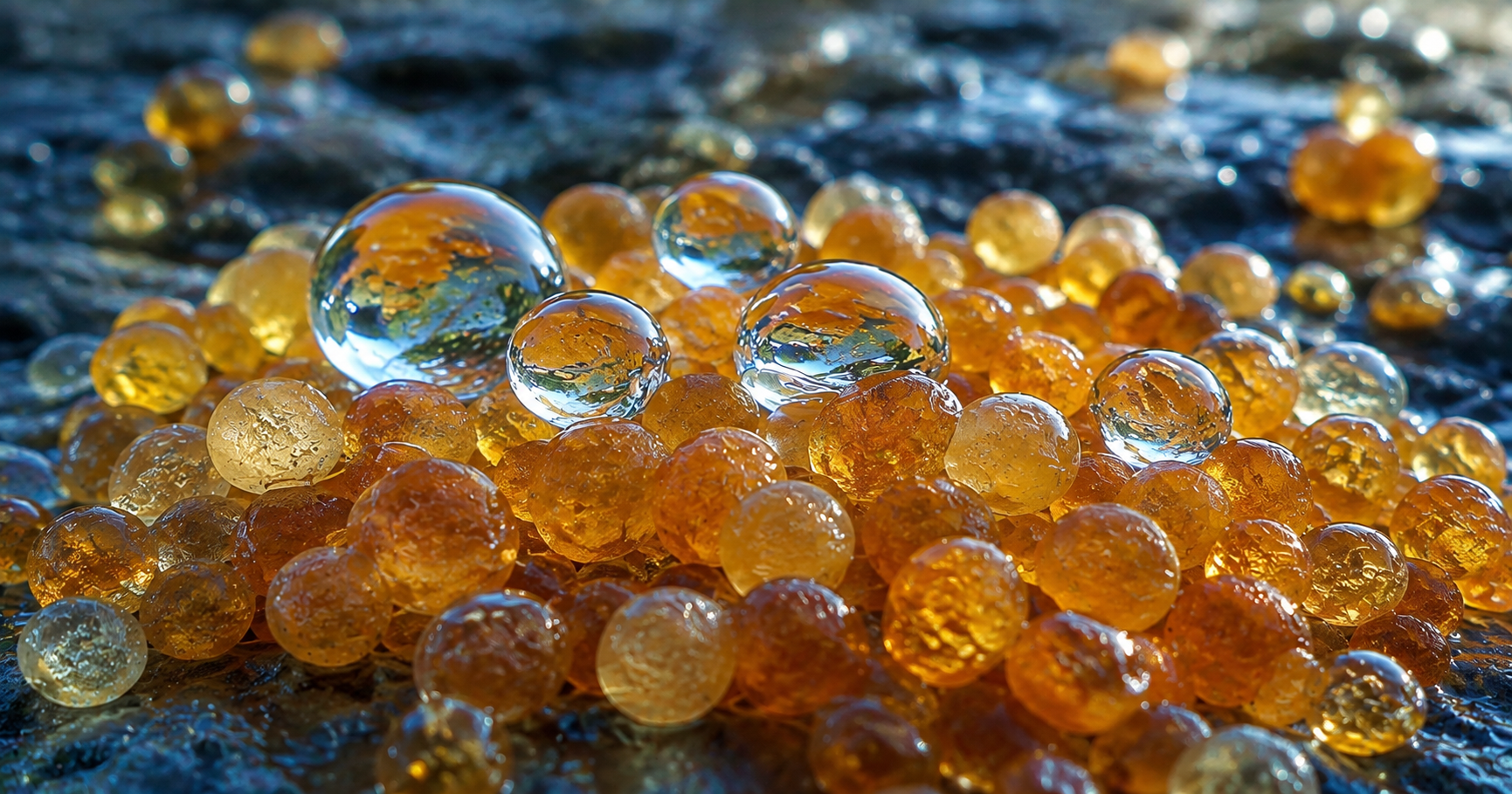
Inside every ion-exchange softener is a tank filled with thousands of tiny plastic-like beads called resin. Each bead is covered in sites that hold onto sodium ions — a soft, harmless mineral. This is where the magic happens.
How ion exchange works — a simple analogy
Think of the resin beads as a long row of bus seats, and every seat is taken by a friendly, harmless passenger: sodium (the “soft” mineral).
Now hard water flows in, carrying pushy passengers — calcium and magnesium (the minerals that cause scale). Here’s the trick: calcium and magnesium want those seats more strongly than sodium does. So as the water passes through, they shove the sodium out of the seats and sit down themselves. The sodium is released into the water (completely harmless), and the scale-causing minerals are now trapped on the beads.
The water that comes out the other end has had its calcium and magnesium swapped out for sodium — so it’s now soft. That swap, hard ions for soft ones, is the “ion exchange” the whole process is named after.
Why softeners need salt: regeneration
There’s a catch. Eventually every “seat” on the resin is taken by calcium and magnesium — the beads are full and can’t trap any more. The water would start coming out hard again. So the softener runs a cleaning cycle called regeneration.
During regeneration, the softener floods the resin with a strong salt solution (brine) from its salt tank. This brine is packed with fresh sodium ions — so many that, by sheer numbers, they kick the trapped calcium and magnesium off the beads. Those hard minerals are then flushed down the drain, and the resin is left recharged with sodium, ready to soften again.
This is exactly why a softener needs salt refills. The salt doesn’t soften your water directly — it recharges the resin beads that do the softening. Understanding this clears up the most common confusion people have about softeners.
When does regeneration happen?
Different softeners decide when to regenerate in different ways:
- Timer-based — regenerates on a fixed schedule (e.g. every few days), whether or not it’s needed. Simple, but can waste salt and water.
- Metered — measures how much water you’ve actually used and regenerates only when the resin is nearly full. More efficient.
- Smart / automatic — modern units track usage patterns and regenerate at the optimal time, often overnight, minimising salt and water use.
What a softener does NOT do
This is important: ion-exchange softening removes hardness — calcium and magnesium — and nothing else. It does not remove bacteria, dissolved chemicals, heavy metals, or reduce total dissolved solids (TDS) for drinking safety. That’s the job of a water purifier such as an RO system. A softener protects your plumbing and appliances; a purifier makes water safe and pleasant to drink. Many Indian homes use both, because they solve completely different problems.
Why resin quality matters
Since the resin does all the actual work, its quality determines how well and how long your softener performs. Good-quality resin holds more hardness per cycle, regenerates cleanly, and lasts several years before it needs replacing. Cheaper resin degrades faster and softens less effectively over time — which is why the resin, though hidden inside the tank, is one of the most important parts of any softener.
In summary
A water softener works by ion exchange: resin beads swap the calcium and magnesium in hard water for harmless sodium, so the water comes out soft. When the beads fill up, a salt-based regeneration cycle flushes out the trapped minerals and recharges them — which is why softeners need salt. It’s a simple, elegant process that protects everything in your home that touches water. If you want to go deeper, see our guides on choosing a water softener and how hard water damages your home.
