Boiling vs RO: What Boiling Water Does NOT Remove

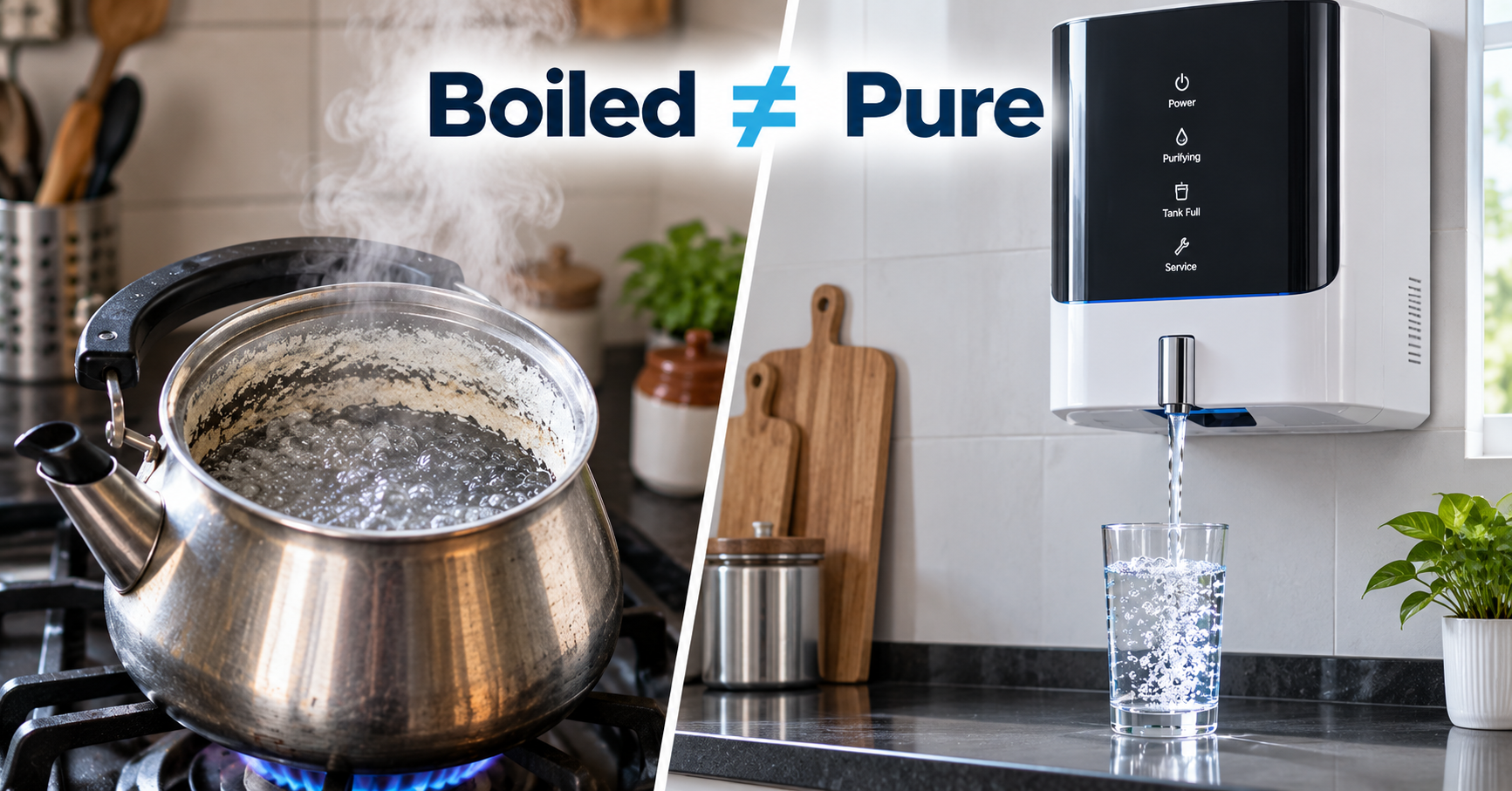
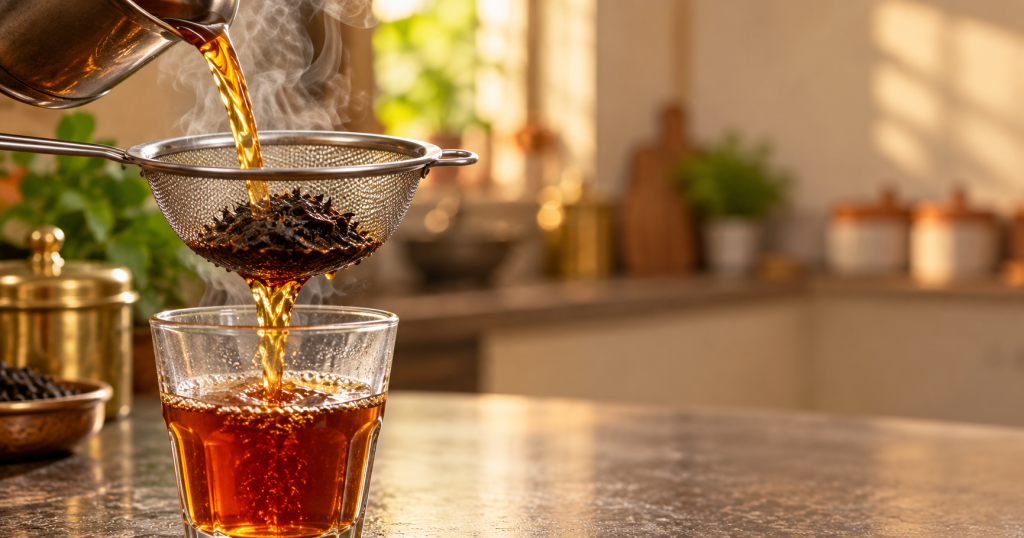
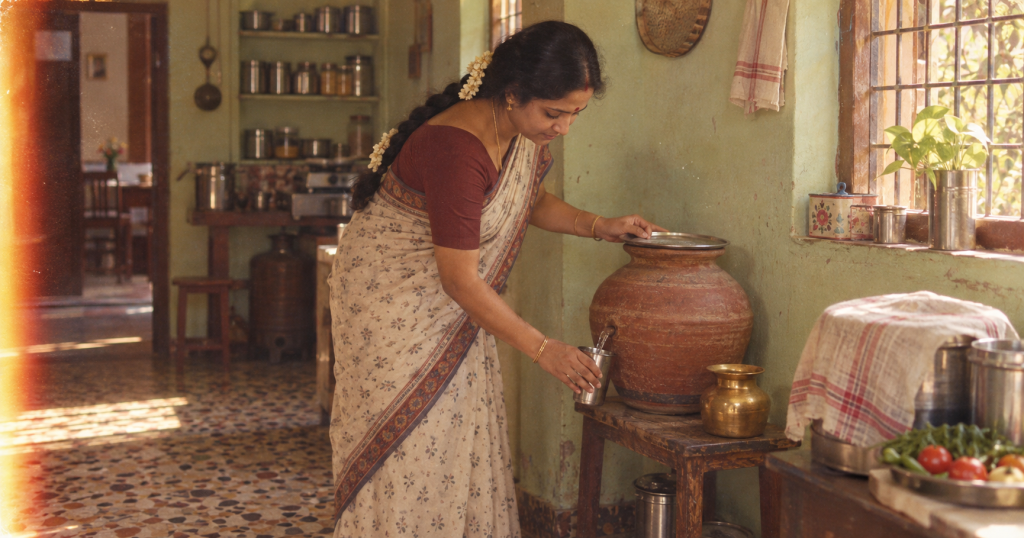
Boiling water is the oldest purification method in Indian kitchens. Many families boil their drinking water every morning, let it cool, and store it in bottles. Boiling does an important job: it kills the germs that cause diarrhoea, typhoid and cholera. But there is a common belief that boiled water is now “pure”. It is not. Boiling changes what is alive in the water, not what is dissolved in it. This guide explains exactly what boiling removes, what it leaves behind, and when you actually need an RO purifier.
What boiling DOES remove
Boiling is a disinfection method. Heat destroys living organisms, and it does this very well.
- Bacteria: E. coli, Salmonella (typhoid), Vibrio cholerae (cholera) and other disease-causing bacteria are killed.
- Viruses: hepatitis A, rotavirus and other waterborne viruses are inactivated by heat.
- Protozoa and cysts: Giardia and Cryptosporidium cysts, which are tough enough to survive chlorine, are destroyed by boiling.
How long? Bring the water to a rolling boil and keep it boiling for at least one minute (three minutes at high altitude). Boiling longer does not make the water “more pure” — it only wastes gas and concentrates the dissolved salts further.
What boiling does NOT remove
This is the part most people miss. Anything that is dissolved in the water stays dissolved after boiling. Heat cannot pull salts, metals or chemicals out of water. Here is the list.
- TDS (total dissolved solids): boiling does not reduce TDS at all. In fact, TDS goes slightly up, because some water escapes as steam and the same salts are now in less water. If your water was 600 ppm before boiling, it may read 620–650 ppm after. See our guide on high TDS and its health effects.
- Heavy metals: arsenic, lead, mercury, cadmium and chromium are unaffected by heat. These are among the most dangerous contaminants in water, and boiling gives zero protection against them.
- Fluoride and nitrate: both are common in borewell water across Tamil Nadu, Karnataka, Andhra Pradesh and Telangana. Excess fluoride causes dental and skeletal fluorosis; nitrate is dangerous for infants. Neither is removed by boiling. Read more about borewell water problems in India.
- Pesticides and industrial chemicals: most pesticides and solvents are stable at 100°C. A few volatile ones partly escape as vapour, but boiling is not a reliable way to remove them.
- Hardness: only a small part of the “temporary” hardness (calcium bicarbonate) drops out as the white scale you see inside the kettle. Permanent hardness from calcium and magnesium sulphates and chlorides stays in the water. Boiled hard water is still hard water.
- Chlorine by-products: boiling drives off some free chlorine, but the by-products that have already formed, such as trihalomethanes (THMs), are not fully removed.
- Taste, colour and iron: boiling does not fix a salty or metallic taste, brown colour, or dissolved iron. Iron often shows up even more clearly as reddish particles after the water cools.
Boiling vs RO: side by side
| Contaminant / factor | Boiling | RO purifier |
|---|---|---|
| Germs (bacteria, viruses, cysts) | Yes, killed | Yes (membrane; plus UV in RO+UV models) |
| TDS / dissolved salts | No (goes slightly up) | Yes, 90–95% reduction |
| Heavy metals (arsenic, lead, mercury) | No | Yes |
| Fluoride and nitrate | No | Yes |
| Pesticides | No (mostly) | Yes, largely (carbon + membrane) |
| Hardness | Only a small temporary drop (kettle scale) | Yes, in the drinking water |
| Taste, colour, iron | No | Yes |
| Cost per litre | Approx. ₹0.50–1.00 in LPG or electricity | Approx. ₹0.30–0.80 including filter changes |
| Time | 15–20 minutes to boil, 1–2 hours to cool | Instant, on tap |
The pattern is clear: boiling handles the living things, RO handles the dissolved things. They are not competitors — they solve different problems.
When boiling is enough
Boiling is a perfectly good solution in these situations:
- Municipal water with TDS below 300 ppm: if your corporation supply is low in dissolved solids and your only worry is germs from old pipes or overhead tanks, boiling does the job.
- Only a germ risk: during the monsoon, after pipeline repairs, or when there is a local outbreak, boiling is the fastest safety step.
- Temporary situations: travelling, a rented house for a few months, a long power cut, or while your purifier is under repair.
In these cases an RO purifier would be an unnecessary expense, and it would strip minerals from water that was already fine.
When you need RO
Boiling is not enough — and can give false confidence — when the problem is dissolved, not living:
- TDS above 300–500 ppm: water above 500 ppm tastes off and is not recommended for long-term drinking; only RO brings it down. Check the best TDS level for drinking water.
- Borewell or tanker water: both usually carry high TDS and hardness, and often fluoride or nitrate. A tanker’s source is unknown and can change from one delivery to the next.
- Any heavy-metal or fluoride risk: if your area is known for arsenic, fluoride or industrial pollution, do not rely on boiling.
- Salty, bitter or metallic taste: taste is a sign of dissolved salts or metals, and boiling will not change it.
One important exception: if your TDS is low (under 300 ppm) but you want protection from germs without boiling every day, you do not need RO. A UV or UF purifier is enough — it is cheaper, wastes no water and keeps the minerals. Our water purifier buying guide explains how to choose between RO, UV and UF.
Quick test: know your TDS in 10 seconds
You do not have to guess. A digital TDS meter costs about ₹300 online, runs on a button cell, and gives a reading in about 10 seconds. Dip it in a glass of tap water and note the ppm. Then dip it in a glass of the same water after boiling and cooling. You will see the number go up slightly, not down — proof that boiling does not remove dissolved solids. A TDS meter does not detect germs, heavy metals or fluoride specifically, so if you suspect those, a lab test is needed. See how to test water purity at home vs lab testing.
Bottom line
Boiling makes water safe from germs. It does not make water free of dissolved contaminants. TDS, heavy metals, fluoride, nitrate, pesticides and hardness all pass straight through a boiling pot. If your water is low-TDS municipal supply, boil it or use a UV/UF purifier. If it is borewell, tanker or high-TDS water, or if there is any risk of fluoride or heavy metals, you need an RO purifier. Spend ₹300 on a TDS meter first — it will tell you which group you are in. For RO, UV and UF purifiers matched to Indian water, explore DraQua.