5 Things People Believe About RO Purifiers That Are Simply Wrong


RO purifiers are the most-bought and the most-argued-about water purifiers in India. Ask ten people and you will hear ten confident opinions — half from a salesperson, half from a WhatsApp forward. Some of it is true, a lot of it is not, and the confusion costs people money. Here are five common beliefs about RO purifiers that do not hold up. A few of them cut against buying RO at all — and that honesty is the point.
Myth 1 — RO removes all the minerals, so RO water is harmful
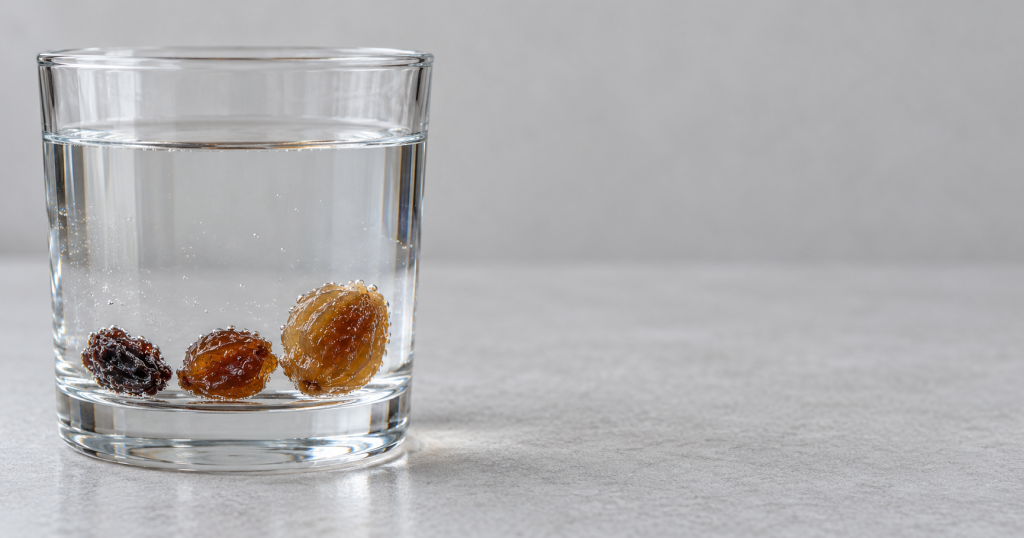
The truth: it does remove most dissolved minerals, but that is rarely the health problem it is made out to be. RO membranes strip out most of the calcium, magnesium and other dissolved salts — that part is real. What the scare leaves out is where your body actually gets those minerals: your food. For most people, food supplies far more calcium and magnesium than water ever does, so RO water alone does not leave you deficient.
The honest nuance is taste. Very low-mineral water tastes flat and is not ideal as your only water long term. That is why a good purifier includes a TDS controller or mineral cartridge to add a sensible amount back — the fix is setting the level correctly, not avoiding RO. Unsure what to aim for? Our guide to the best TDS level for drinking water covers it.
Myth 2 — lower TDS is always better
The truth: zero is not the target. Somewhere along the way “low TDS” became a selling point, and people started treating near-zero as the gold standard. It is not. Water with almost no dissolved solids tastes flat and carries no minerals at all. The sensible goal is a moderate, palatable range — enough to keep some minerals, without the high levels that cause real trouble. Both ends matter: our best TDS level guide covers the healthy middle, and the piece on high TDS and its health effects covers the top end.
Myth 3 — every home needs an RO
The truth: plenty of homes do not. RO is sold as a default, but it is really a tool for one problem: high dissolved salts. On low-TDS municipal supply, your main risk is usually germs — bacteria and viruses — not dissolved minerals. For that, a UV or UF purifier is the better, cheaper fit. RO earns its place with high-TDS, borewell and tanker water, where dissolved salts are genuinely the issue. Buying RO for low-TDS water mostly just wastes water. Our RO vs UV vs UF buying guide lays out which suits which.
Myth 4 — more stages means a better purifier
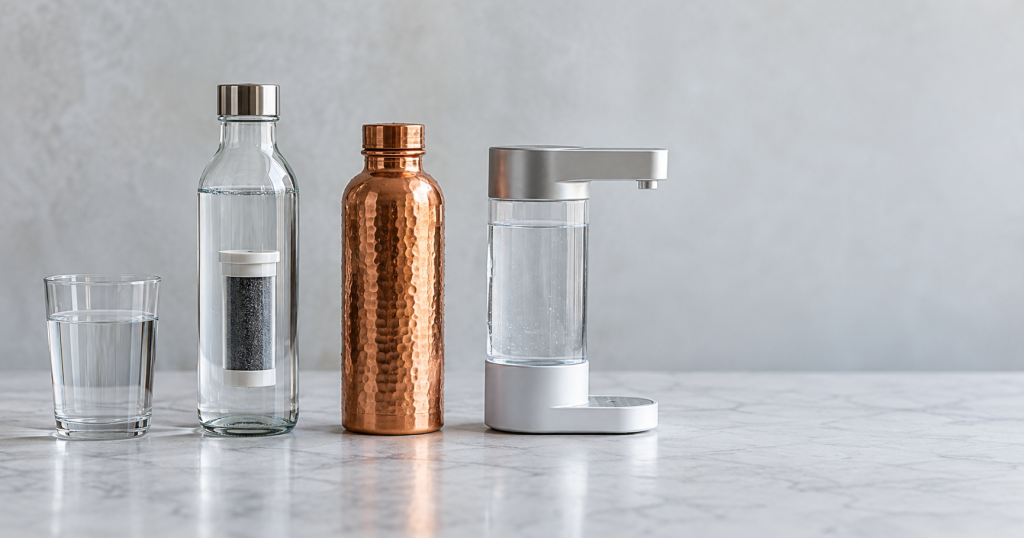
The truth: stage-counting is mostly marketing. “7-stage”, “10-stage”, “12-stage” — the numbers climb every year, and most of that is counting, not quality. What decides how well a purifier works is the membrane quality, whether there is a UV or UF stage after the tank, whether there is a TDS controller, and how easy filters and service are to get. A well-built 5-stage purifier can comfortably out-perform a badly built 10-stage one. Judge the parts and the servicing, not the sticker on the box.
Myth 5 — once installed, RO water is safe forever
The truth: a purifier is only as good as its last service. Filters clog, the membrane fouls over time, and the storage tank can grow a slimy biofilm if it is never cleaned. A purifier left unserviced for two years can quietly give worse water than it did on day one, while you assume it is still working. The warning signs are easy to miss: slower flow, a change in taste, rising TDS, or a faint smell — not a dead machine, just one due for service. Our guide on how long stored water stays safe covers what happens after the water leaves the tap.
Bonus myth — RO wastes water, so it is bad for the planet
The truth: RO does reject some water — but “waste” is the wrong word. RO sends some water down the drain; that is how the membrane flushes out the salts it removes. What is unfair is calling that water poison. The reject water is simply more concentrated, and it is perfectly usable for mopping, washing vehicles, watering non-edible plants or flushing. Our piece on whether your RO is wasting water shows how to measure and cut it. The honest caveat: if your TDS is already low, that reject water is a real reason to pick UV or UF instead.
Myth vs truth, at a glance
| The belief | What is actually true | What to do |
|---|---|---|
| RO removes all minerals, so it is harmful | Most minerals come from food; the real issue is over-stripped, flat water | Set the level with a TDS controller |
| Lower TDS is always better | Near-zero water is flat and mineral-free | Aim for a healthy middle, not the lowest number |
| Every home needs an RO | Low-TDS water needs germ protection, not salt removal | UV/UF for low TDS, RO for high |
| More stages means better | Stage counts are marketing; build quality decides performance | Check membrane, UV/UF, TDS controller, service |
| RO water is safe forever | Filters clog and tanks grow biofilm without service | Service on schedule; watch flow, taste, smell |
| RO wastes water, so it is bad | Reject water is reusable and newer units waste less | Reuse it; if TDS is low, pick UV/UF |
How to decide if RO is right for you
So how do you cut through it? Start with one number: test your water’s TDS. Most of these arguments disappear once you know what you are dealing with. On low-TDS municipal water, a UV or UF purifier is usually the right call. With high TDS, borewell or tanker water, an RO with a TDS controller set to a sensible level is the tool for the job. Either way, service it on schedule. Our buying guide helps match the purifier to your water, and boiling versus RO explains what boiling does and does not remove.
The bottom line
RO is neither poison nor magic. It is a very good tool for one job — high-TDS water — when set up sensibly and serviced on time. It is the wrong tool for low-TDS water, and no amount of stage-counting changes that. Know your water, set your minerals right, keep it maintained, and most of these myths simply stop mattering. If your water genuinely needs RO and you want one that keeps minerals in rather than stripping everything out, the LUXGEN Aura pairs an RO+UV+UF system with a built-in TDS controller that retains essential minerals — a sensible starting point for a high-TDS home.